Need home concrete patios in Snoqualmie?
Tell us about your driveway or patio project. Send the request form, or email contact@ricebranch.living. A local provider in our network can follow up with an estimate.
No obligation
New concrete driveways and patios in Snoqualmie
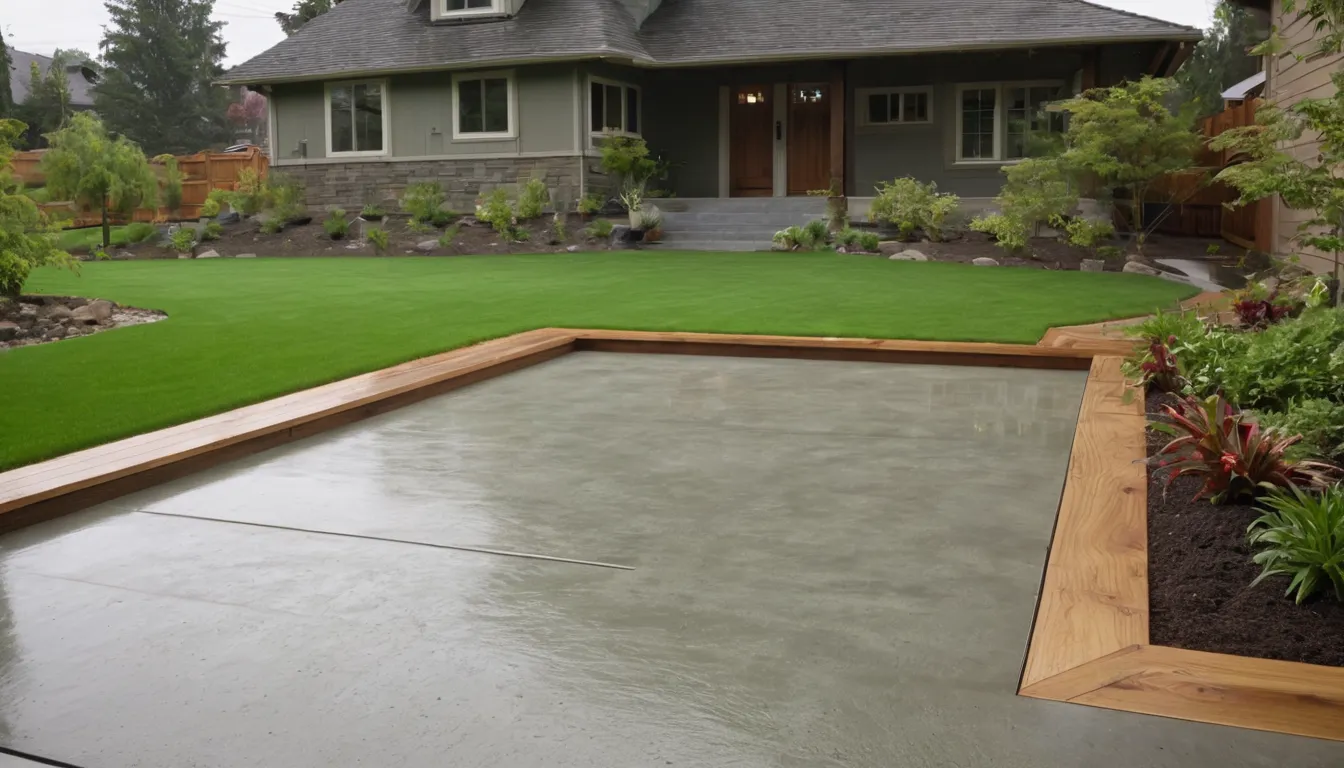
Cracks, sinking edges and puddles are early signs that a patio is wearing out. In a long wet season, small flaws grow fast. Water gets in, freezes or soaks the soil, and the slab moves.
Ricebranch Concrete is a referral service. We do not pour concrete. We connect homeowners in the Snoqualmie area with independent providers in our network who build new patios. You describe your yard, your budget and your plan. A local provider reviews it and gives you a written quote. Then you compare your options and decide, with no obligation.
Start here. Walk out and look at your patio today. A patio rarely fails all at once. It gives hints first.
If you see the signs below, it may be time to plan a new slab. A slab is just a flat, poured piece of concrete.
Long, steady rain tests every patio. Water slips into cracks and softens the ground below. Mild temperatures keep moss alive all year. Windstorms also drop branches and debris that can chip a worn edge.
A small problem now is cheaper to plan for than a big one later. That is why we say, ask, then compare.
This service is for new concrete. If you need concrete driveway repair or a quick patch, that is a different job. Here we focus on a fresh patio built the right way.
Most jobs follow the same path. A provider may handle each step or sub out part of it. Ask which.
Think about how you will use it. A bistro table needs less room than a grill, a sofa and a dining set. Many homeowners pick a size that fits their furniture with space to walk around it.
Mark the shape with spray paint or a hose. Then live with the outline for a few days. Adjust before anyone digs.
A typical patio slab is about four inches thick. A thicker slab may suit heavy items like a hot tub. Ask the provider why they picked a thickness. A good answer mentions your soil and your planned load.
This is the plain, non-slip look. A broom drags across the wet surface. It grips well in damp weather.
Color can be mixed in or added on top. Exposed aggregate shows small stones in the surface. Both hide stains well.
Stamped concrete patios use patterns pressed into the wet slab. They can mimic stone, brick or wood. They cost more than a plain slab. See our stamped concrete page for details.
Water is the main threat to any patio. It should flow away from your house. The usual rule is a gentle slope, about a quarter inch per foot, moving away from the walls.
Homes with crawl spaces need extra care. Water that runs toward the house can make the space under it damp. Ask where the water will go during a heavy storm.
Sometimes a patio crack points to something else. If you see cracks in your foundation walls, sticking doors or uneven floors, talk to foundation repair experts first. That work is separate from flatwork. Concrete flatwork means flat poured surfaces like patios, walks and slabs.
Fix the house first. Then build the patio on solid ground.
Good providers expect questions. Ask these:
A good answer is clear and specific. It uses plain words and gives reasons. The provider names the steps, the materials and the cure time. They also tell you what could change the price.
If you notice two or more, keep looking. You can ask for more than one quote.
Some areas require a permit for a new patio. Setback rules may limit how close you can build to a property line. A reliable provider will tell you what applies. Check with your city or county if unsure.
Give new concrete time to cure. Cure means it slowly hardens and gains strength. Keep heavy items off it for the period your provider names.
After that, care is simple:
A smart time to build is before the wet season peaks, but many providers work year round. Dry spells matter most on pour day. Ask what your provider does if rain is due.
Ready to plan? Request an estimate and compare your options.
Providers break up the worn patio and haul it away so the new one starts on a clean site.
The ground is leveled and sloped, then covered with packed stone so water drains away.
Wood forms shape the edges. Steel mesh or rebar adds strength inside the slab.
Concrete is poured, smoothed and textured, then cut with joints to guide cracks.
Prices vary by size, soil, access and finish. These are common U.S. ranges only. Local costs may differ. Always get a written quote that lists every part of the job.
| Item | Typical range | Notes |
|---|---|---|
| Plain broom-finish slab | $6 – $12 per sq ft | Basic gray concrete, standard thickness |
| Stamped or colored finish | $12 – $20 per sq ft | Pattern and color add labor |
| Old slab removal | $2 – $6 per sq ft | Depends on thickness and access |
| Grading and gravel base | $1 – $3 per sq ft | More if the ground is soft or sloped |
| Drainage fixes | $300 – $2,500 | Drain pipe or regrading near the house |
| Sealer | $1 – $3 per sq ft | Protects against stains and moisture |
Tell us your patio size, finish idea and what bothers you about the old one.
We connect you with an independent provider in our network who serves your area.
Check the scope, base, drainage plan and price. Ask questions about anything unclear.
Pick the provider you trust. They set the pour date and handle the work.
We connect you with independent local providers, so you can review more than one plan.
Our guides explain terms in simple words, so you know what you are asking for.
Ask each provider for a written quote that covers scope, materials and timing before you decide.
Requesting an estimate costs you nothing to ask about, and you choose whether to move forward.
Tell us about your driveway or patio project. Send the request form, or email contact@ricebranch.living. A local provider in our network can follow up with an estimate.
Look for wide or growing cracks, sunken sections, standing water and a flaking surface. One small hairline crack is usually fine. Several signs together suggest planning a new slab with a local provider.
Many patios take a few days to build, then more time to cure. Timing depends on size, weather and the provider's schedule. Ask for a written timeline and a plan for rain.
It depends on where you live and how large the patio is. Some areas require one. A provider in our network can usually tell you what applies, but check with your local office.
Tell us about your driveway or patio project. Send the request form, or email contact@ricebranch.living. A local provider in our network can follow up with an estimate.
No obligation